
A coordinated process to ensure responsible uptake of AI, roll-out and use by the South African mining sector
Overview:
AI is an unavoidable reality, and it is here to stay. South Africa, including the mining sector, must prepare for it. With this in mind, Minserv was approached by MMP RTIMS to develop a responsible AI policy for the South African mining sector.
AI can affect the world of work in diverse ways – it can present itself as an exciting opportunity or an undesirable threat.
AI Opportunities for SA Mining
AI adoption and integration with mining systems can:
- Make tasks more interesting for users
- Reduce risk and optimise tasks
- Improve tactical decision-making for risk reduction
- Assist complex tasks with fast insights
- Give future predictions and develop scenarios
- Improve supply chain management
Typical Risks Posed by AI
- Inaccuracy
- Security breaches
- Data privacy violations
- IP infringement
- Communication breakdowns
- Human redundancy
- Causing harm
For a responsible future world of work, AI considerations must be understood and well managed. A boundary is needed for human and machine collaboration in new worlds of work, so the Framework was based on the fundamental premise that:
‘AI systems rank different scenarios, provide humans with the best option, and then require human intervention before making any decisions’.
In this way humans and machines collaborate to decide on the best way forward in a human-centric manner. It was also important to identify the most appropriate level of AI adoption considering the SA context of high human vulnerability.
Objective
The study aimed to develop a Framework of broad principles to guide responsible AI implementation in mining. This Framework takes advantage of the opportunities, while managing the associated risks and describes the process of developing an AI-powered organisation in the SA mining context.
Approach
A co-creation approach was followed, involving sourcing and integrating inputs of relevant documents, analysing learnings and distilling insights from the members of the AI Working Group (AIWG). Figure 1 explains the Framework development process.
It was important to align the mining Framework with that of the national government, while also learning from international experiences. This process ensured that the Framework is aligned with the SA national policy on AI and in harmony with the relevant international instruments.
Figure 2 illustrates the appropriate alignment of the AI Framework for mining in South Africa. The inner circle shows the triangulation of seven pillars that were identified as being appropriate for SA mining.
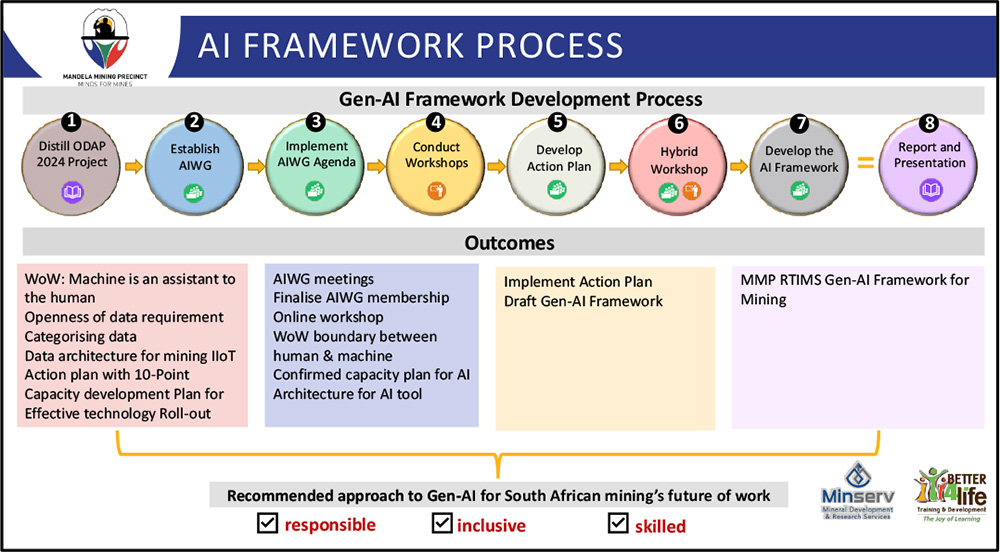
Figure 1: AI Framework Development Process
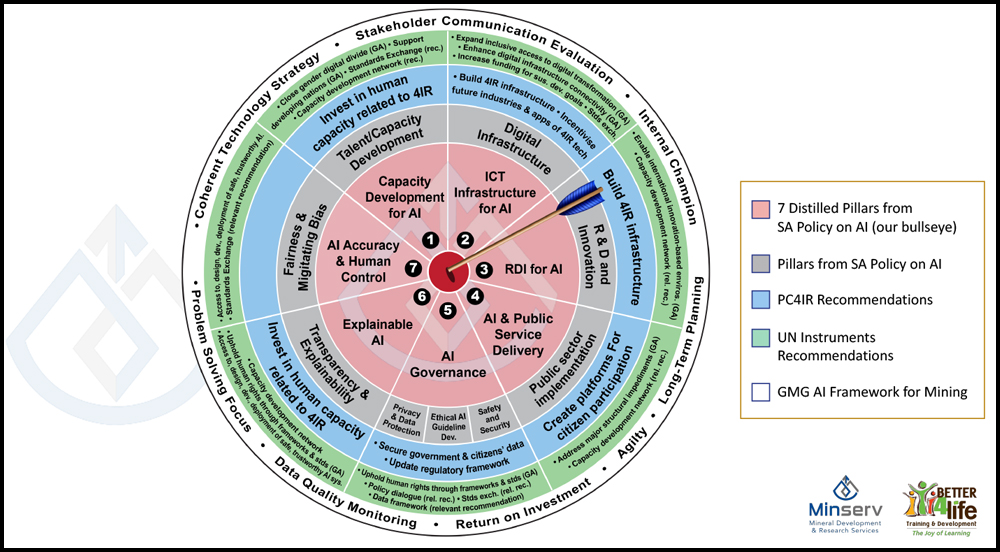
Figure 2: Policy Instruments Alignment Wheel
Key Results
Appropriate AI-powered Worlds of Work for SA Mining
Mines in South Africa may be at a different levels of technology adoption. Figure 3 illustrates the three main steps of the digitalisation journey that allow for human-centric collaboration:
- Phase 1: Prescriptive Phase, which is concerned with sensor and digital monitoring system governance and installation.
- Phase 2: Descriptive Phase, sometimes called the Diagnostic intelligence phase, is concerned with incorporating AI for digital systems to become smart.
- Phase 3: Predictive Phase, which is concerned with incorporating Gen-AI for automation, is the end of the technology journey.
Figure 4 illustrates the recommended AI-enabled workflow for consideration and implementation when building AI decision-making tools.
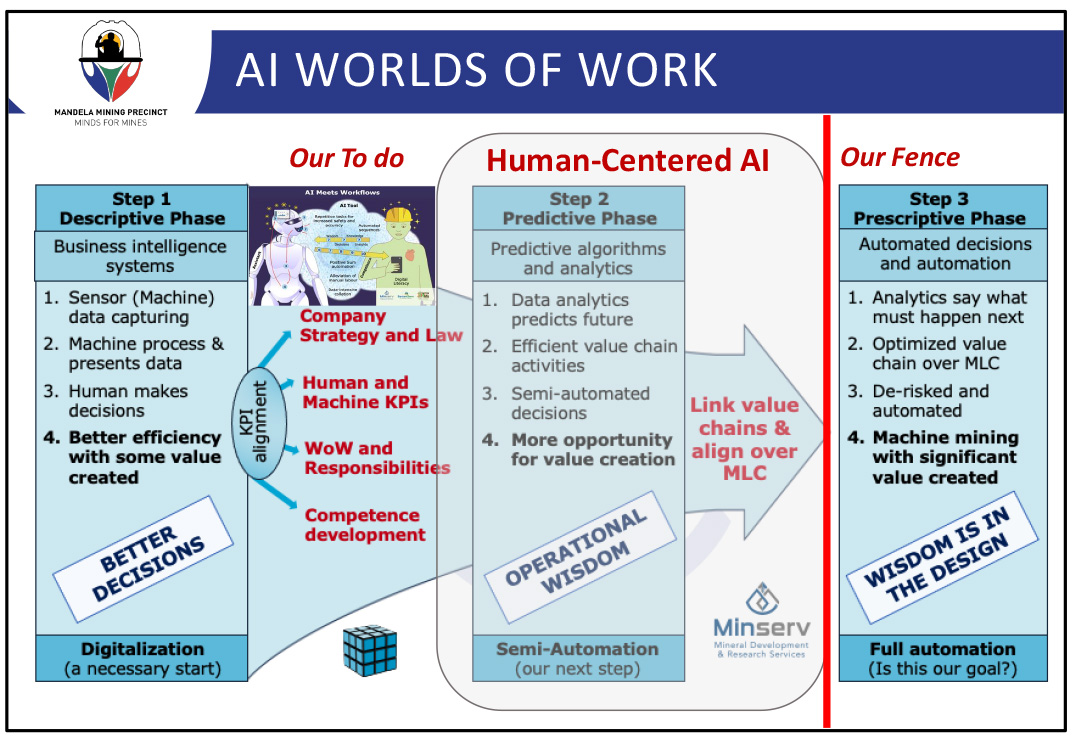
Figure 3: The three main steps of the digitalisation journey
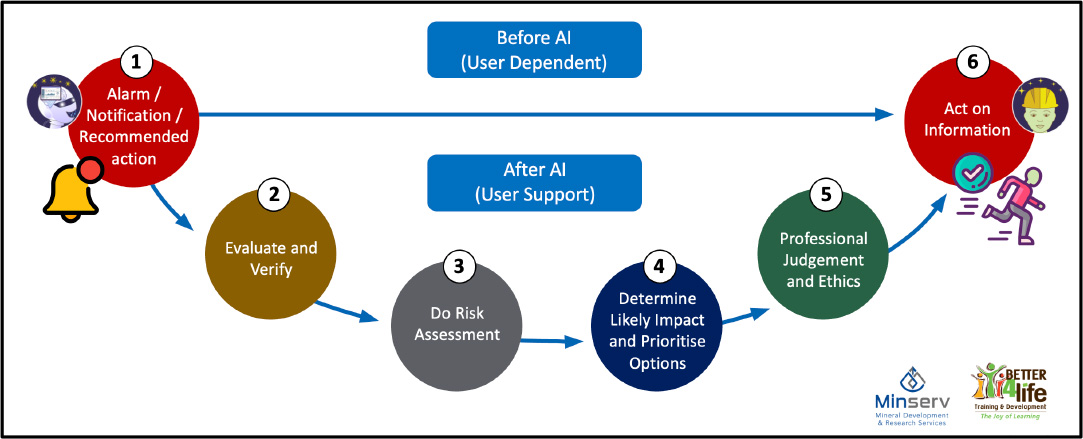
Figure 4: Human-AI decision-making
Building an AI-Powered Organisation
It is important to note that AI cannot solve systemic problems in an organisation. This is why the organisation requires a clear strategy that is properly implemented and monitored. The Gen-AI user approach of adopting an off-the-shelf tool as well as the option of creating a bespoke solution were investigated. Either option requires the development of an AI Framework allowing for a trial period as a pilot study. Figure 5 represents a standard and reference point to help guide mining companies to prepare for its future world of work.
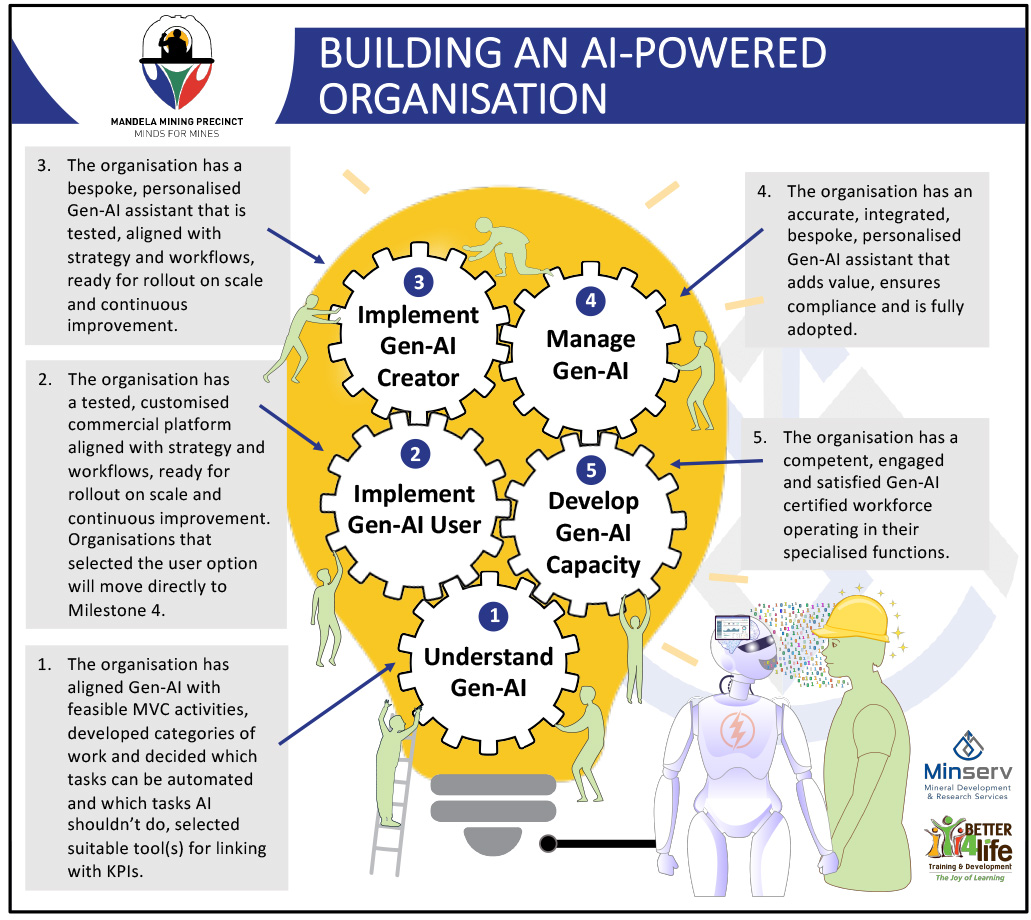
Figure 5: Building an AI-Powered Organisation
Conclusion
It is recognised that not all mines are at the same stage of their technology journey maps, which requires any AI strategy be tailored to the specific context at a mine organisational level. A blueprint for building AI-powered operations in mining is proposed as a sector-wide response to the opportunities and challenges AI presents. It is meant as a standard to help guide mining companies to prepare for their future worlds of work. The study also concluded that mining organisations should strive to become creator-users, rather than mere users of Gen-AI.